


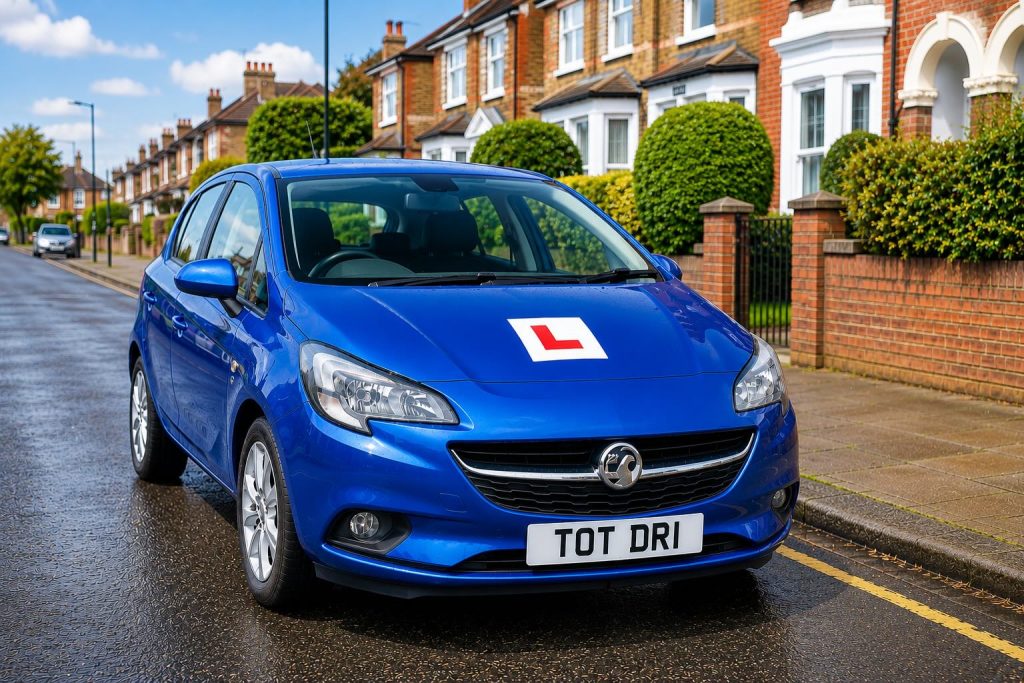
A major shake-up in road safety policy is coming to Northern Ireland this autumn. From 1 October 2026, Graduated Driver Licensing (GDL) will be introduced — making Northern Ireland the first part of the UK to implement a formal GDL scheme. It’s being described as the biggest reform to newly-qualified driver rules in a generation, and the rest of the UK is watching closely.
Whether you’re a learner driver, a recently-passed driver, or a driving instructor, here’s everything you need to know.
What Is Graduated Driver Licensing?
Graduated Driver Licensing is a structured system that places restrictions on new drivers during the early period after passing their test — a time when statistics consistently show they are at the highest risk of being involved in a serious collision.
The idea is simple: rather than granting full driving privileges the moment someone passes their test, GDL introduces a staged approach that allows new drivers to build experience gradually, with certain restrictions in place during the most vulnerable period.
GDL systems are already well-established in countries including Australia, New Zealand, Canada, and the United States, where they have been credited with significant reductions in young driver casualties.
Why Northern Ireland Is Acting Now
The statistics make for sobering reading. In 2024, 164 people were killed or seriously injured in collisions involving a car driver aged 17–23 in Northern Ireland. That age group accounts for just 8% of licence holders — yet represents 24% of all fatal or serious crashes.
Infrastructure Minister Liz Kimmins announced the scheme, calling it a crucial step in tackling the disproportionate risk posed by newly-qualified young drivers. The scheme will launch on 1 October 2026.
What the New GDL Rules Include
The Northern Ireland GDL scheme introduces several significant changes for learners and new drivers:
- Minimum 6-month learning period: Learner drivers must complete at least six months of learning before they are eligible to take their practical driving test.
- Mandatory Programme of Training: A structured logbook-based training record must be completed before testing, ensuring learners cover a broad range of driving conditions and scenarios.
- Extended restricted driver period: After passing, new drivers must display a special identifying plate for 24 months — double the current 12-month requirement — indicating they are in the restricted period.
- Night-time driving restrictions: New drivers under the age of 24 will face a six-month restriction on night-time driving after passing their test.
- Passenger restrictions: Age-related night-time passenger restrictions will apply to newly-qualified drivers, with exemptions for immediate family members.
What This Means for Learner Drivers
If you’re learning to drive in Northern Ireland, the most immediate change is the mandatory minimum six-month learning period. You won’t be able to rush through lessons and book your test after just a few weeks — you’ll need to demonstrate a proper period of learning before you’re eligible.
The structured logbook requirement also means your lessons need to be varied and well-rounded. Theory test passes alone won’t be enough; you’ll need to evidence a proper range of real-world driving experience.
After passing, bear in mind that restrictions on night driving and carrying certain passengers will apply for the first six months. Planning your journeys with this in mind — especially if you rely on your car for work or social activities — will be important.
On the positive side, research consistently shows that GDL schemes reduce crash risk for new drivers. The restrictions aren’t a punishment — they’re designed to keep you safer during the period when you’re statistically most vulnerable.
What This Means for Driving Instructors
For ADIs working in Northern Ireland, GDL represents a meaningful shift in how driver training will need to be structured and delivered.
The mandatory Programme of Training and logbook requirement means that lesson planning will need to be more deliberate and documented. Instructors who already keep thorough records and offer structured training programmes will be well-placed — but those who haven’t formalised their approach may need to adapt.
The six-month minimum learning period also has commercial implications. Pupils can no longer fast-track through an intensive course and sit their test within weeks. While this means a more sustainable training relationship for most learners, instructors should make sure their lesson packages and pricing reflect this longer timeline.
For instructors in England, Wales, and Scotland — the GDL scheme does not apply to you yet. But given that GDL advocates have long pushed for UK-wide implementation, Northern Ireland’s launch is likely to intensify the debate. Staying informed and understanding the principles behind GDL will help you engage with pupils and parents who may have questions about whether similar rules are coming their way.
Will GDL Come to England, Wales, and Scotland?
That’s the big question. Northern Ireland’s launch is being closely watched by road safety organisations, insurers, and policymakers across the rest of the UK. Organisations such as the Association of British Insurers (ABI) and road safety groups have long called for GDL to be rolled out nationally.
For now, there are no confirmed plans to introduce GDL in England, Wales, or Scotland. But with Northern Ireland acting as a live test case, expect the conversation to accelerate significantly once the scheme is up and running.
The Bigger Picture
Northern Ireland’s GDL launch is part of a broader shift in how UK road safety policy is being approached. Following the recent changes to driving test booking rules and continued efforts to reduce waiting times, it’s clear that the driving landscape is changing rapidly — for learners and instructors alike.
At Total Drive, we help driving schools stay on top of changes like these. Our software makes managing pupils, lessons, and communications simpler — so you can focus on what matters most: helping the next generation of drivers on the road safely.
Interested in seeing how Total Drive can support your driving school? Get in touch with us today.
Sources: Department for Infrastructure Northern Ireland, Safer Highways, Association of British Insurers, ADINJC, GOV.UK — June 2026