


 New EV Questions and Driving Test Changes Coming in 2026
The Driver and Vehicle Standards Agency (DVSA) is rolling out significant changes to both the theory and practical driving tests in 2026 — and electric vehicles are at the centre of it all. From new EV-specific theory test questions to mandatory instructor retraining, here’s everything learners and driving instructors need to know.
With electric car sales continuing to rise across the UK — they now account for over a quarter of all new car registrations — the DVSA has recognised that the driving test needs to catch up with the technology learners will actually be using on the road. The result is a package of updates that will affect everyone learning to drive or teaching others.
What’s Changing in the Theory Test?
From early 2026, the UK driving theory test will include new questions specifically about electric vehicles. These will cover:
- Regenerative braking — how it works and how it changes the driving feel
- Charging etiquette — using public charging points responsibly
- Energy-efficient driving techniques — maximising range
- EV-specific safety — what to do in an emergency involving an electric vehicle
- Understanding range anxiety — planning journeys around available charging infrastructure
The DVSA says these questions are designed to ensure new drivers understand how EVs behave differently from petrol and diesel cars. The pass mark and overall test structure remain unchanged — the new questions replace some existing ones, they don’t add to them.
Practical Test Changes: Driver-Assist Technology
The practical driving test is also getting an update. Examiners will place more emphasis on the correct use of driver-assist features commonly found in electric cars, such as:
- Lane-keep assistance
- Adaptive cruise control
- Automatic emergency braking
- Regenerative braking systems (one-pedal driving)
The key message from the DVSA is that drivers must be able to balance using these modern features with maintaining full manual control of the vehicle. Relying entirely on driver-assist technology will still be marked as an error if it compromises safe driving.
What This Means for Learner Drivers
If you’re currently learning to drive or planning to start lessons soon, here’s what these changes mean for you:
- Your theory test will include EV questions — make sure you study the new EV section in the official DVSA theory test kit. Don’t skip it, even if you plan to take your test in a petrol car.
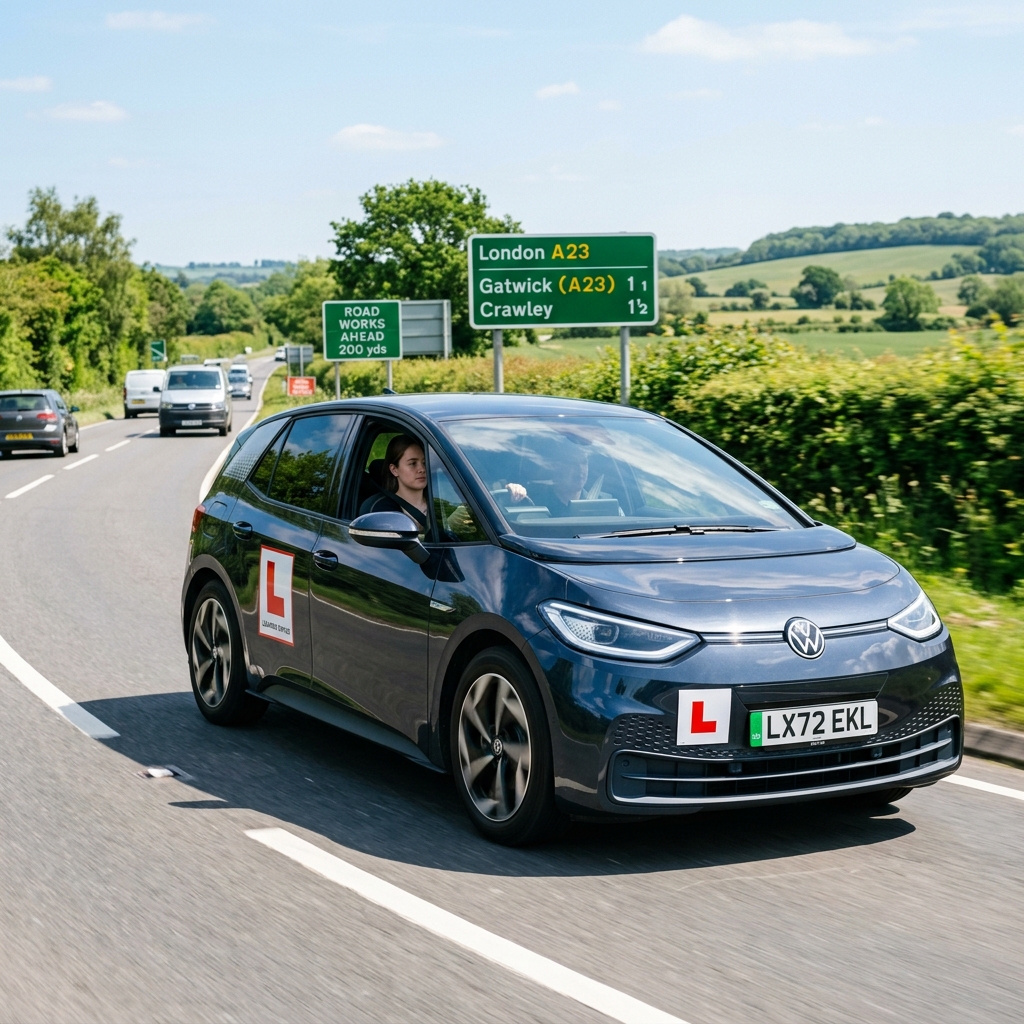
- Taking your test in an electric car is fine — the test format is exactly the same. You’ll take the same manoeuvres and follow the same routes. The only difference is the examiner will pay attention to how you handle the EV’s unique characteristics.
- No change to test length or difficulty — the DVSA has confirmed the test duration (around 40 minutes) and pass criteria are unchanged.
- Digital pass certificates — both theory and practical test pass certificates are now digital, something worth noting if you’re a paper-trail person.
What This Means for Driving Instructors
For driving instructors, the 2026 changes bring both opportunities and requirements:
- Mandatory EV retraining is coming — the DVSA is introducing requirements for instructors to complete EV-specific training. This covers how to teach pupils to handle high-torque electric motors, regenerative braking, and energy-efficient driving techniques.
- Update your teaching materials — your theory test preparation resources need to include the new EV questions. The official DVSA learning materials have already been updated.
- Consider adding an EV to your fleet — if you haven’t already, teaching in an electric car is becoming increasingly relevant. More pupils are asking about EV lessons, and having the option could be a competitive advantage.
- Driver-assist technology awareness — you’ll need to teach pupils how to use features like lane-keep assist and adaptive cruise control correctly, and when to override them.
Instructor retraining isn’t just about the car — it’s about understanding how EV driving dynamics differ. Instant torque means acceleration is sharper. Regenerative braking means lifting off the accelerator slows the car significantly. These are habits pupils need to build from lesson one.
When Are These Changes Taking Effect?
The changes roll out in stages throughout 2026:
- Early 2026 — EV questions added to the theory test
- From March 2026 — limited booking changes (max 2 changes per test)
- From May 2026 — learner-only booking (instructors can’t book for pupils)
- From June 2026 — restricted test centre relocations
- Throughout 2026 — instructor EV retraining phased in
Looking Ahead
The DVSA’s changes reflect a simple reality: the UK’s car fleet is electrifying quickly, and the driving test needs to reflect the cars people will actually drive. For learners, the changes are manageable — study the new theory test content, and if you’re learning in an EV, understand how it drives differently. For instructors, the retraining requirement is an investment, but it positions you to meet growing demand for EV lessons.
Whether you’re learning in a petrol, diesel, or electric car, Total Drive connects you with qualified ADI instructors across the UK who can help you pass your test — whatever car you choose to learn in.
Sources: DVSA GOV.UK, GovDelivery DVSA bulletin, drivingtestcoach.com, theorytestpassed.co.uk, Birmingham Mail (June 2026)